

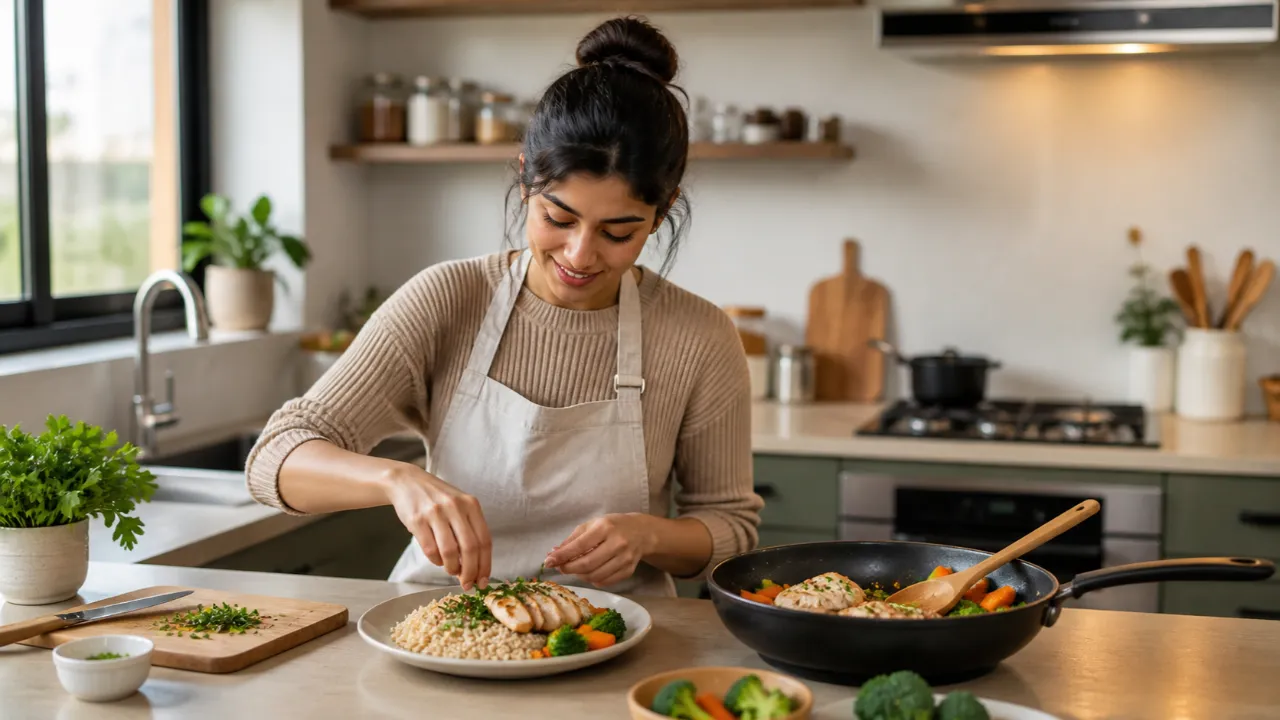
Cooking Basics & Side Dishes Guide for Beginners
Cooking can feel frustrating when you are just starting. You may burn food, add too much salt, or end up with meals that taste bland. You follow recipes, but something still feels off. Many beginners face this problem. They do not know how to control heat, balance flavors, or choose the right side dishes. This confusion often leads to wasted food, wasted time, and low confidence in the kitchen.
I went through the same struggles in my early days. I remember overcooking vegetables until they lost all texture and taste. I also paired the wrong side dishes, which made meals feel incomplete. Over time, I learned that cooking is not about memorizing recipes. It is about understanding simple basics and using them in real situations. In this guide, I will share practical lessons based on real experience. These steps will help you cook with confidence and build balanced meals without stress.
Quick Takeaways
- Start with simple cooking basics like heat and timing
- Use the 3-step meal method: protein + carb + vegetables
- Keep side dishes simple and balanced
- Fix mistakes by adjusting heat, salt, and time
- Practice daily with easy meals
What Are Cooking Basics?
Cooking basics are simple skills you use in the kitchen every day. These skills help you cook without confusion.
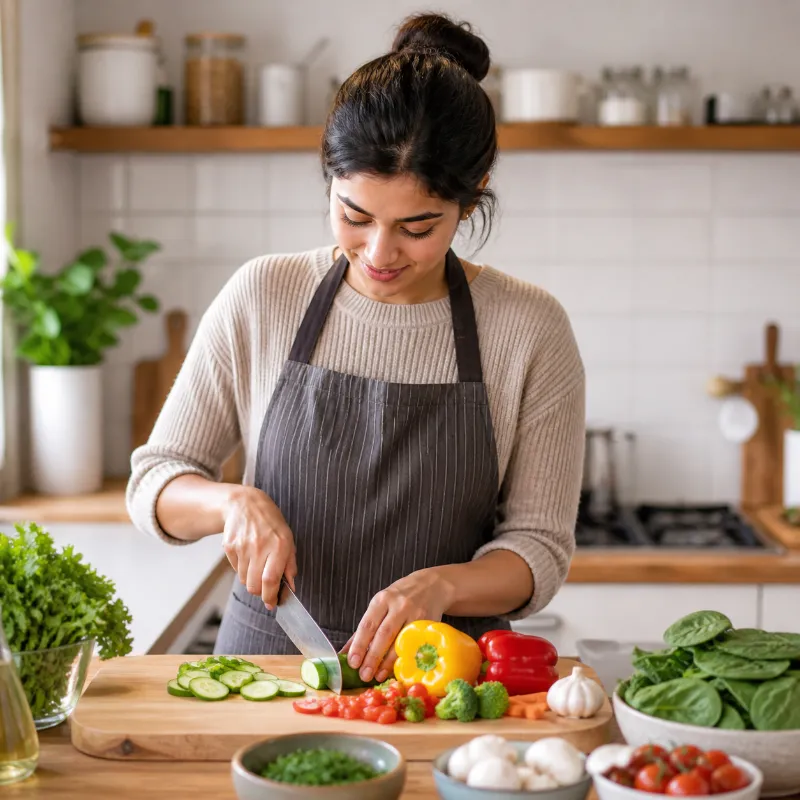
Key basics include:
- Cutting food safely
- Using heat the right way
- Knowing when food is done
- Adding the right amount of salt
These basics matter because they give you control. For example, heat changes everything. High heat cooks food fast but can burn it. Low heat cooks slowly and keeps food soft. When you understand this, your food improves quickly.
Cooking Basics Cheat Sheet
- High heat = fast cooking, risk of burning
- Medium heat = best for most cooking
- Low heat = slow cooking, keeps food soft
- Salt early = better flavor
- Taste often = fix mistakes early
Understanding heat control is important for many recipes, especially delicate desserts. For example, this easy homemade custard recipe shows how gentle heat helps create a smooth and creamy texture.
Essential Cooking Methods (Explained Simply)
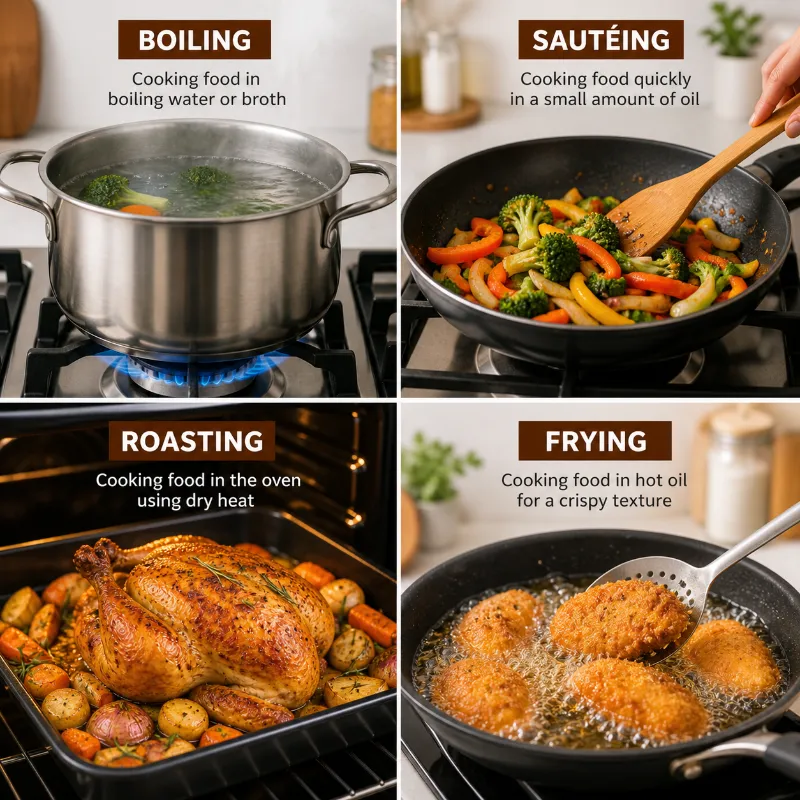
Boiling
Boiling means cooking food in hot water.
- Used for rice, pasta, and vegetables
- Water should be bubbling
- Do not overcook
Sautéing
Cooking food quickly in a pan with a little oil.
- Best for vegetables and small meat
- Use medium heat
- Stir often
Roasting
Cooking food in the oven.
- Good for potatoes and chicken
- Adds crispy texture
Frying
Cooking food in oil.
- Makes food crispy
- Use medium heat
What Is a Side Dish?
A side dish is a food served with your main meal. It adds balance and improves taste.
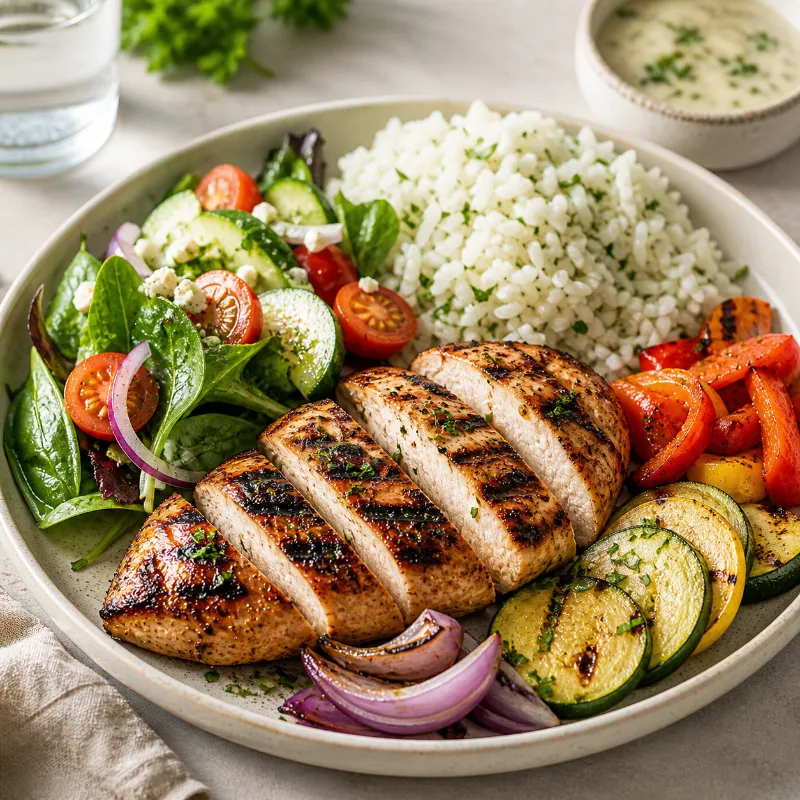
Why side dishes matter:
- Complete your meal
- Add texture and color
- Improve taste balance
What Side Dish Goes With What?
Build a Meal in 3 Simple Steps
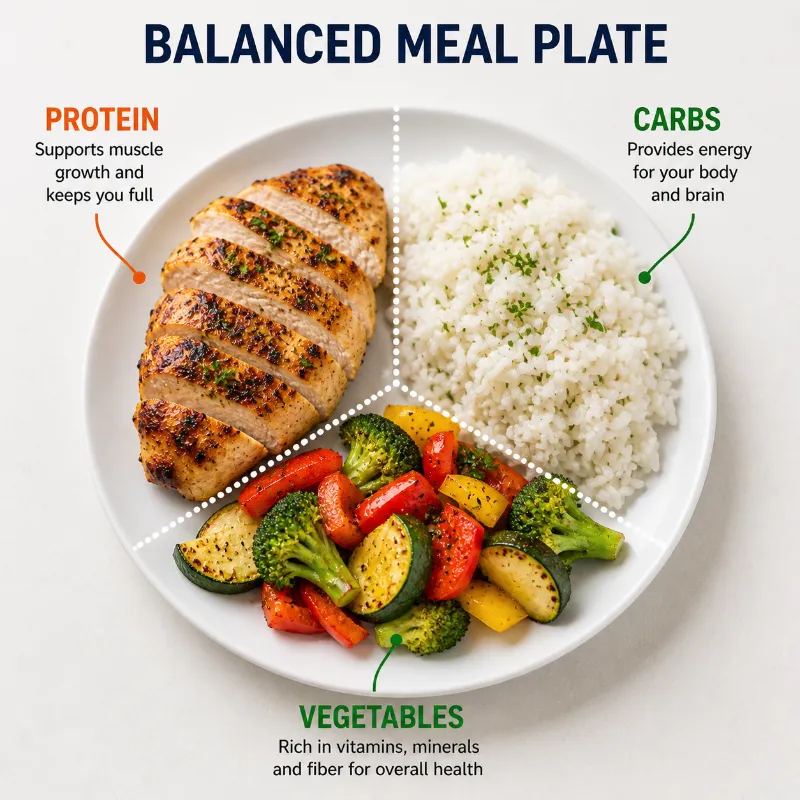
- Choose protein (chicken, beef, fish, eggs)
- Add carb (rice, potatoes, pasta)
- Add vegetables
What Should I Cook Today?
Quick and Easy Side Dishes
10-minute options:
- Fresh salad
- Yogurt dip
- Cucumbers with salt
20-minute options:
- Roasted potatoes
- Stir-fried vegetables
- Simple rice
Easy Meals for Beginners
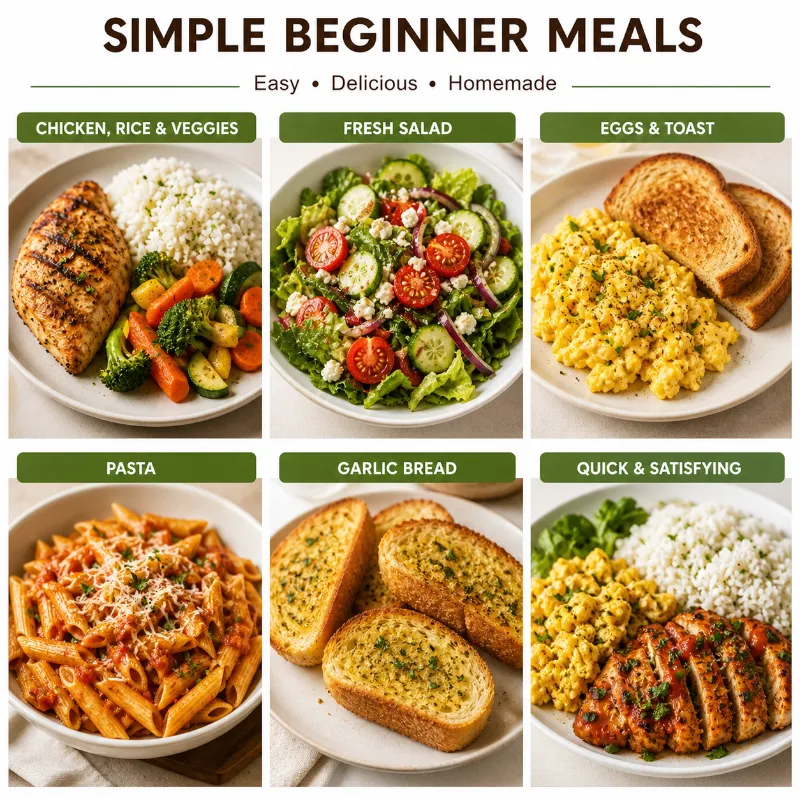
- Chicken + rice + salad
- Eggs + toast + vegetables
- Pasta + garlic bread
- Rice + beans + vegetables
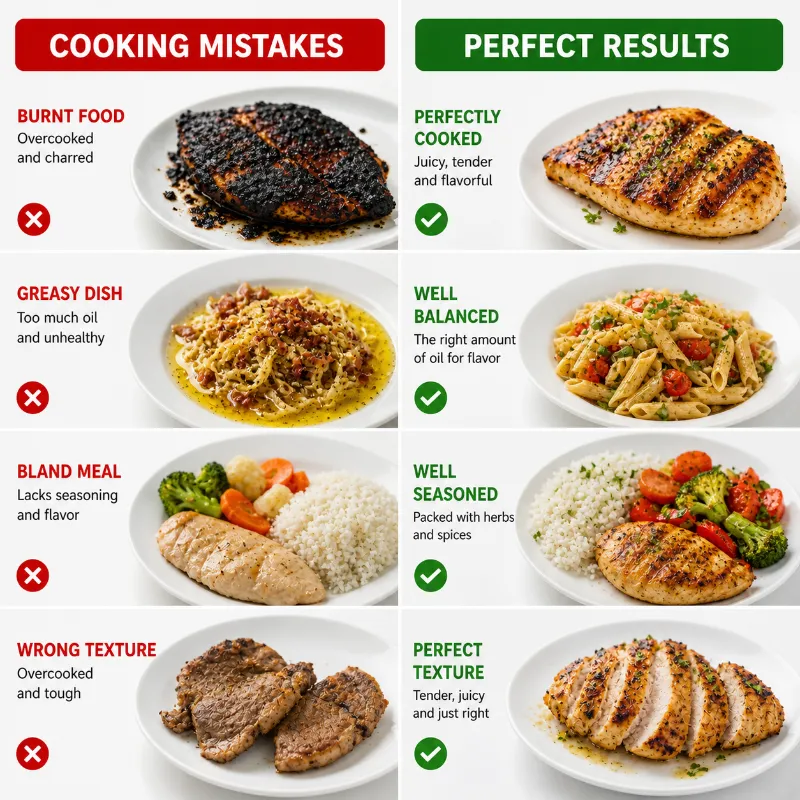
Common Cooking Mistakes (And How to Fix Them)
Overcooking vegetables
- Too soft
- Cook for less time
Too much oil
- Greasy
- Use less oil
No seasoning
- Bland
- Add salt slowly
Wrong heat
- Burnt outside
- Use medium heat
Mistake → Quick Fix Table
Flavor Basics (Why Food Tastes Good)
Salt
Improves flavor
Fat
Adds richness
Acid
Adds freshness
Heat
Controls cooking
If food tastes flat, add salt or lemon.
Cook With What You Have
Basic tools:
- Knife
- Pan
- Pot
No tools? Use this:
- No blender → mash
- No oven → pan
Simple Cooking Workflow
- Prepare ingredients
- Heat pan
- Cook the main dish
- Cook sides
- Taste and adjust
Real Meal Ideas
- Chicken + rice + vegetables
- Fish + salad + rice
- Beef + potatoes + salad
Simple Cooking System (Remember This)
- Use medium heat
- Taste your food
- Keep meals simple
- Use protein + carb + vegetables
- Fix mistakes, don’t panic
FAQs
If you want more beginner-friendly meal ideas and simple kitchen techniques, explore these basic cooking meal guides from BBC Food. They help learn simple recipes, cooking methods, and meal preparation skills.
Conclusion
Cooking becomes easier when you focus on simple basics and learn from your mistakes. In my experience, the biggest improvement came when I stopped depending only on recipes and started understanding how cooking really works. Once I learned heat control, flavor balance, and how to pair side dishes, my meals improved quickly. I became more confident and less stressed in the kitchen.
If you follow this guide, you will see the same progress. Start small and keep your meals simple. Use the systems and tables to make quick decisions. Over time, you will stop feeling confused and start cooking with confidence. Cooking is a skill you build step by step, and with the right basics, anyone can do it.
