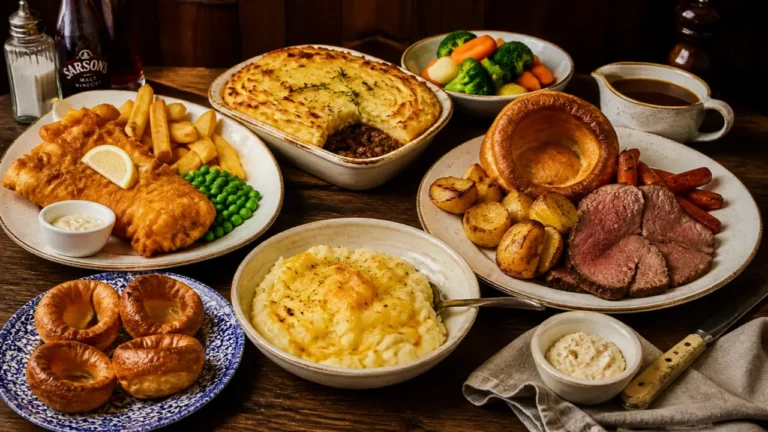
Traditional Yorkshire Puddings Recipe
If you have ever tried making Yorkshire pudding, you know how frustrating it can be. The batter looks right, the oven is hot, but the puddings come out flat, soggy, or dense. I faced the same problem in my first few tries. I followed simple recipes, but I missed key details like oil temperature and oven timing. That small mistake ruined the rise every time.
After testing this recipe over 5–6 batches, I finally understood what works. Yorkshire pudding is not a dessert—it is a savory dish, usually served with roast beef and gravy. Once I focused on heat, batter texture, and timing, the results improved fast. In this guide, I will show you a simple method that works every time, along with real tips from experience, so you can avoid common mistakes and cook with confidence.
- Use equal parts eggs, milk, and flour
- Heat the oil until very hot before adding the batter
- Do not open the oven while baking
- Batter should be thin like cream
- Bake at high heat for the best rise
- Use equal parts eggs, milk, and flour
- Heat the oil until very hot before adding the batter
- Do not open the oven while baking
- Batter should be thin like cream
- Bake at high heat for the best rise
Ingredients
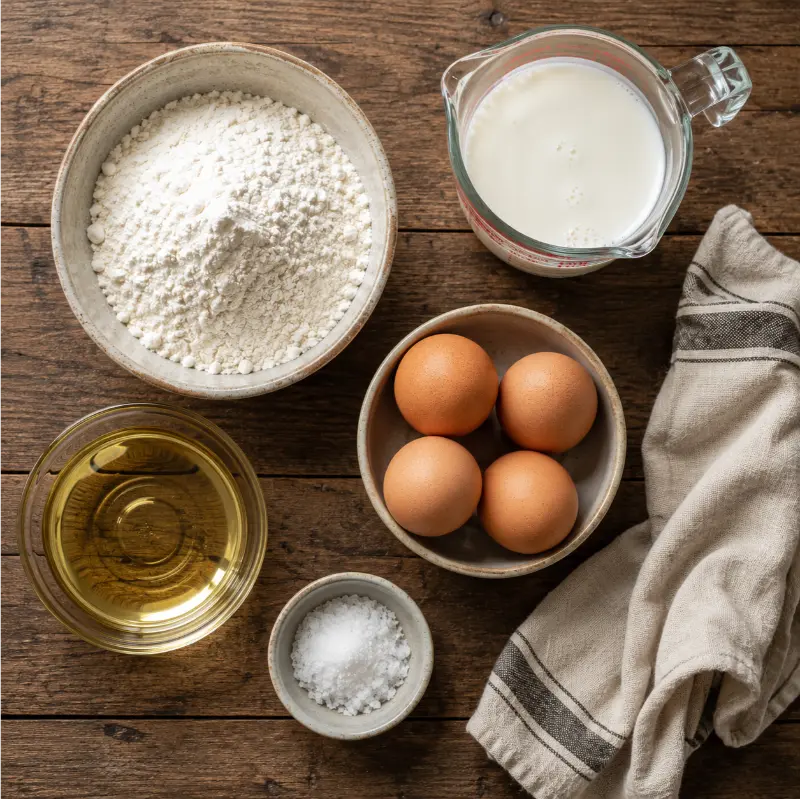
- 3 large eggs (about 1 cup in volume)
- 1 cup all-purpose flour
- 1 cup milk
- 1/2 teaspoon salt
- 3 tablespoons vegetable oil or beef drippings
Tip: Equal volume of eggs, flour, and milk gives the best structure and rise.
Top Tip
Preheat the oil for at least 10–15 minutes. When the batter hits hot oil, it should sizzle. That instant heat creates steam, which makes the pudding rise tall.
Method
Step 1
Preheat your oven to 425–450°F (220–230°C). Place a muffin tin with oil in each cup inside the oven. Let it heat until the oil is very hot.
Step 2
In a bowl, whisk eggs, milk, and flour with salt. Mix until smooth. The batter should be thin, like heavy cream, with no lumps.
Step 3
Rest the batter for 20–30 minutes. In my tests, rested batter gave a better rise and lighter texture.
Step 4
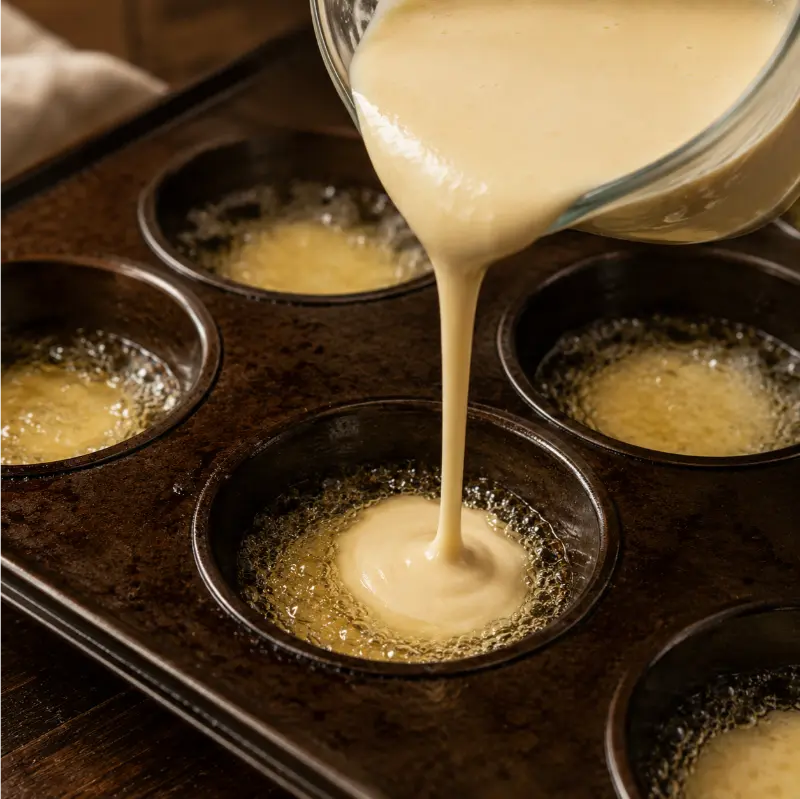
Carefully remove the hot tray. Pour the batter into each cup, filling halfway. You should hear a strong sizzle right away.
Step 5
Return the tray to the oven quickly. Bake for 20–25 minutes. Do not open the oven door. I tested this mistake early, and even a quick peek caused the puddings to collapse.
Why Yorkshire Pudding Rises
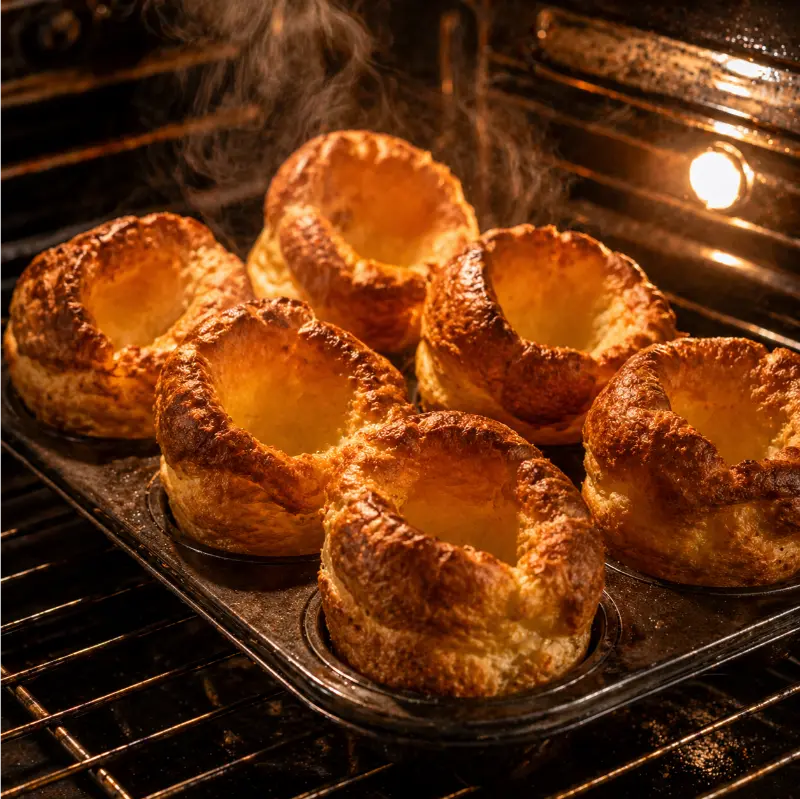
- Hot oil creates steam instantly
- Steam pushes the batter upward
- High heat sets the structure quickly
Preparation
- The batter should be smooth and slightly runny
- Oil must be very hot before pouring
- Use a middle oven rack for even cooking
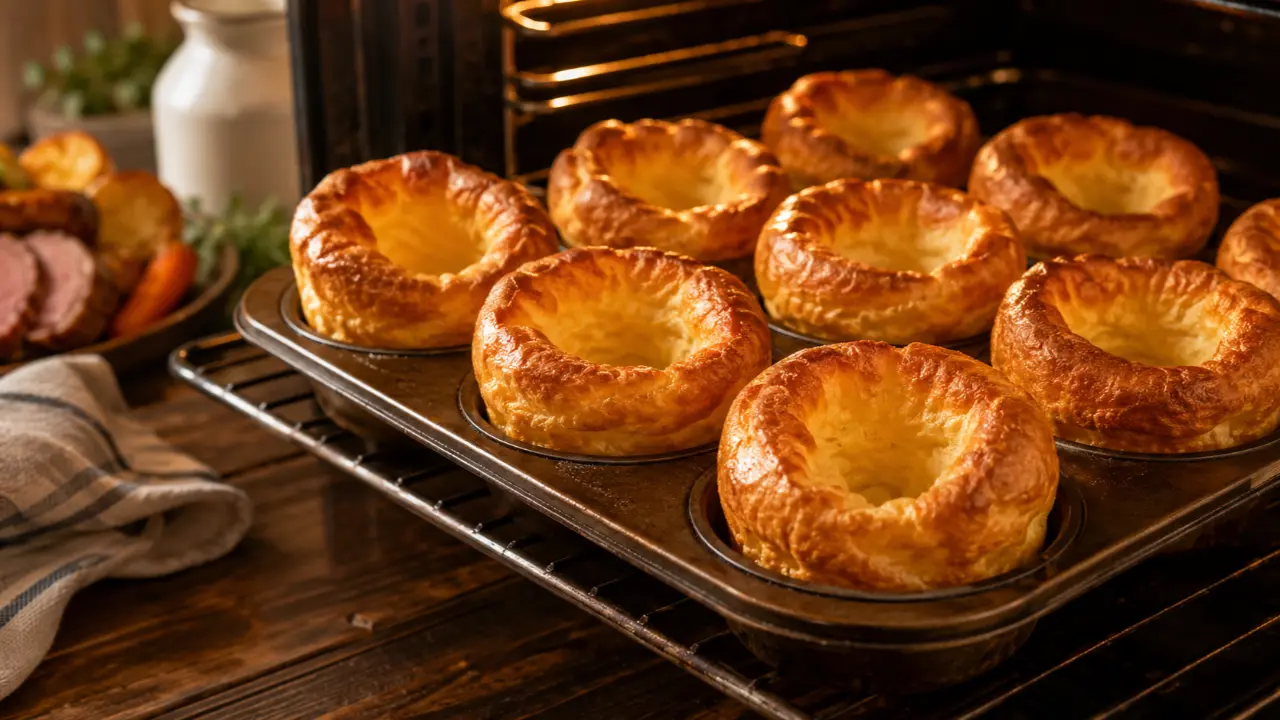
- Final puddings should have tall, crispy edges and a soft center
Visual Guide
| Stage | What You Should See |
|---|---|
| Batter Texture | Smooth and thin like cream |
| Pouring Hot Oil | Loud sizzle in hot oil |
| Baking Important | Fast rise in first 10 minutes |
| Final Perfect Result | Golden, tall, crispy edges |
My 3 Biggest Mistakes (And How I Fixed Them)
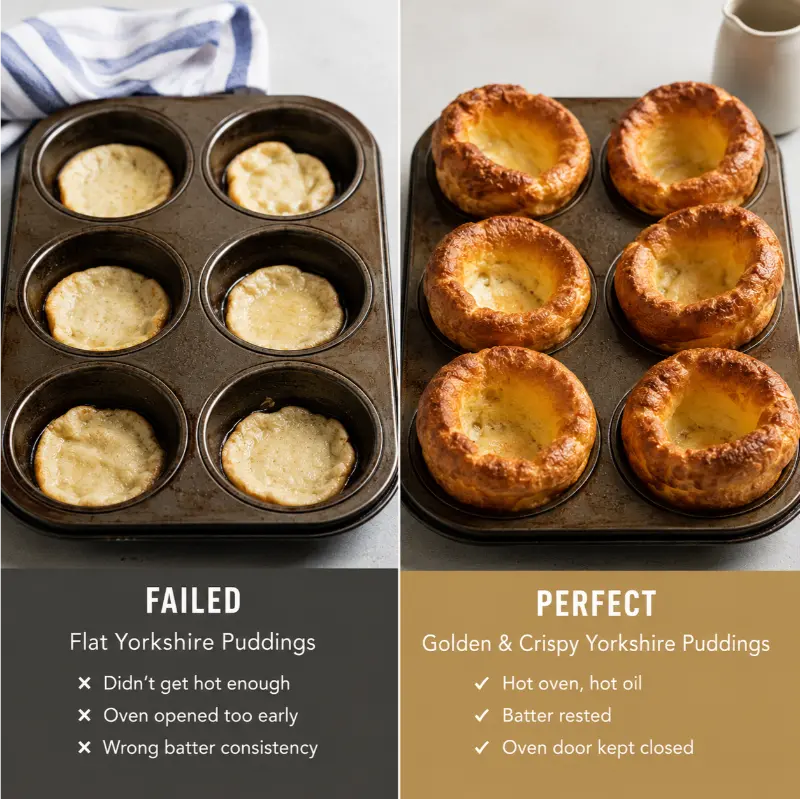
- I did not heat the oil enough → puddings stayed flat
- I opened the oven door too early → they collapsed
- My batter was too thick → texture became dense
Troubleshooting
| Problem | Cause | Fix |
|---|---|---|
| Flat pudding Common | Oil not hot enough | Keep the oven closed |
| Dense texture Texture | Batter too thick | Preheat the tray longer |
| No rise Important | Keep an equal ratio of ingredients | Reduce the heat slightly |
| Soggy bottom Moisture | Too much batter | Fill halfway only |
| Burnt outside Heat | Oven too hot | Reduce heat slightly |
Expert Tips for Perfect Yorkshire Pudding
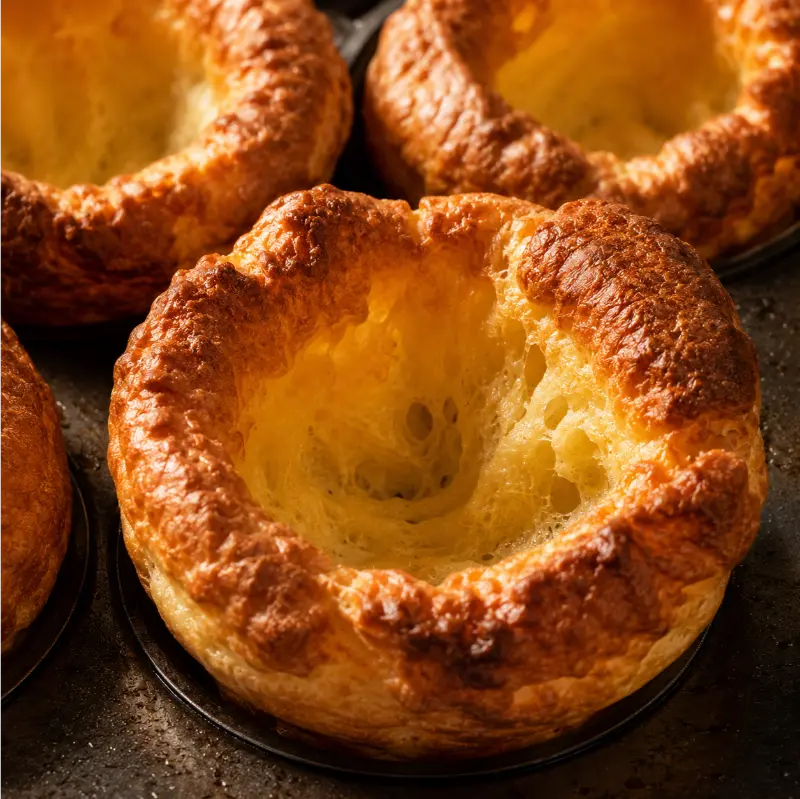
- Use room temperature batter for a better rise
- Always preheat the oil fully before pouring
- Place the tray in the center of the oven
- Work quickly when pouring batter
Crispy vs Soft – Control the Texture
- For crispy pudding → use more oil and higher heat
- For softer pudding → use less oil and slightly lower heat
Make Ahead & Storage
- You can prepare the batter 4–6 hours in advance and keep it in the fridge
- Stir the batter before using
- Store cooked puddings in an airtight container for up to 2 days
- Reheat in a hot oven for 5–7 minutes to bring back crispiness
Frequently Asked Questions
For another traditional approach to making classic British Yorkshire puddings, you can also check this authentic Yorkshire pudding recipe from BBC Food.
How to Serve Yorkshire Pudding
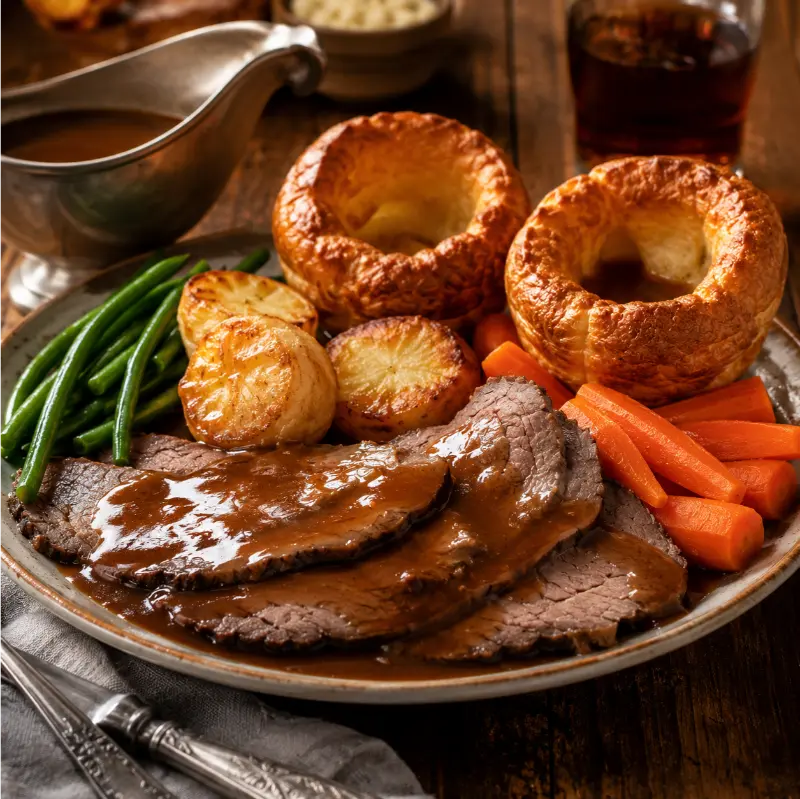
- Serve with roast beef and gravy (classic method)
- Pair with sausages (toad in the hole style)
- Use as a side dish for dinner
- Try sweet toppings like honey or jam for variation
Yorkshire pudding is one of the most iconic dishes in British cuisine and is traditionally served with roast dinners and gravy. If you enjoy traditional comfort food, explore these Classic British Recipes for more authentic British meals, pies, desserts, and family favourites you can easily make at home.
Conclusion
From my experience, Yorkshire pudding is simple but very sensitive to small mistakes. I remember how frustrating it was when my puddings stayed flat, even though I followed every step. The biggest change came when I focused on heat. Once I started preheating the oil properly and stopped opening the oven door, the results improved immediately.
After testing this method several times, I now get consistent results with tall, crispy edges and soft centers. If you follow these steps and use the troubleshooting tips, you can avoid the common mistakes I made. With a little practice, you will gain confidence and start making perfect Yorkshire puddings every time.